Felt or Printed Table Surface: What Changes for Play and Care
Compare felt and printed table surfaces for card handling, readable teaching layouts, and manageable care, then choose a finish suited to your room.

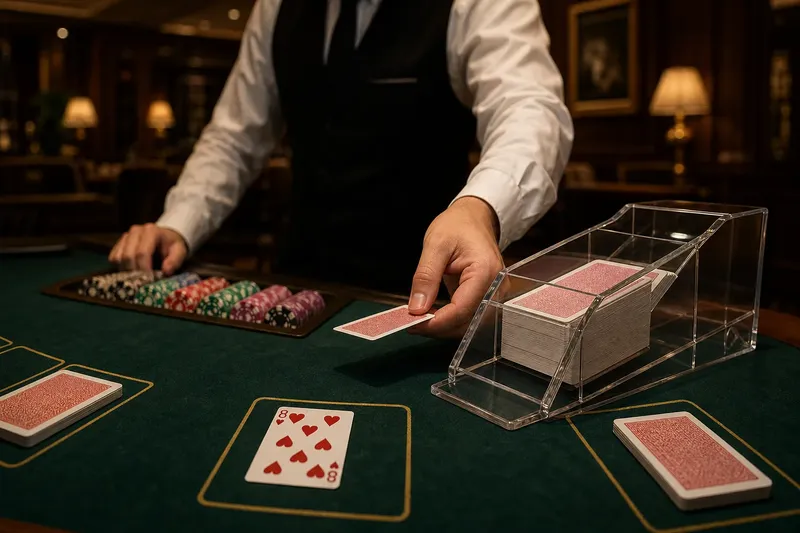
For a casino-inspired teaching table at Trường Cao đẳng Bách khoa, a card can snag on textured fabric or skate across a slick printed top. Choosing a felt or printed table surface means balancing how learners handle components with how clearly they can read the layout and how the top can be cared for.
What should the surface help people do?
Start with the activity, not the traditional look. A table used for card handling needs a different balance from a display built around labeled zones or a lesson in reading table layouts.
Felt is a textile finish, often made from wool, synthetic fibers, or a blend. Its nap creates a tactile surface; a printed top, by contrast, describes a graphic applied to a base that might be fabric, vinyl, laminate, or another material.
Write down the main task and the people using the table. If learners need to identify marked positions, prioritize legibility; if they need to gather and reposition cards, pay close attention to friction and surface texture.
How do felt and printed surfaces affect card handling?
Felt’s directional nap can make a card move differently with or against the fibers. The texture may soften contact and offer resistance when gathering cards, but the feel depends on the specific fabric and finish.
“Printed” does not tell you how a surface feels. A graphic on coated fabric may behave differently from one on vinyl or laminate, so ask for the base material and its finish rather than judging from an image or product name.
Use the same cards and chips intended for the table to assess a sample. Slide, turn, and gather them; note whether they move smoothly enough for the task without feeling difficult to control.
Which surface keeps teaching marks readable?
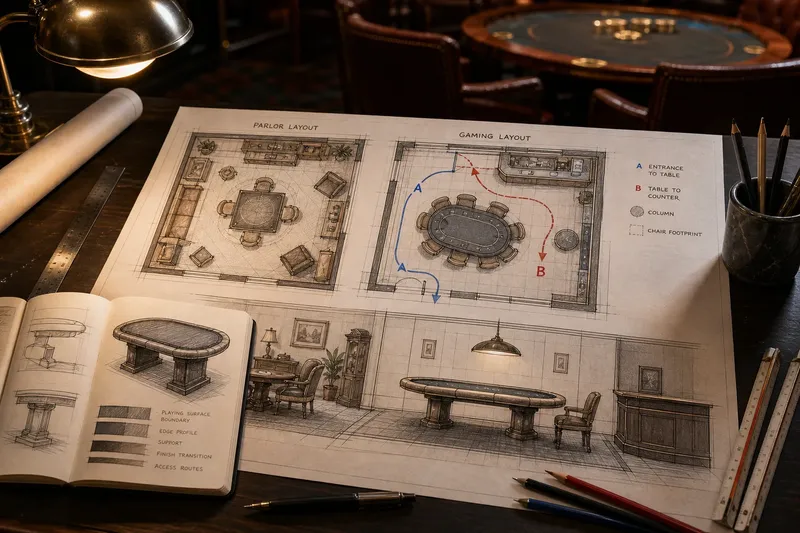
A printed design can make zones, lines, and labels explicit. Keep the graphic restrained: hands, cards, and chips can cover part of the layout, while dense colors or small labels may compete with the activity.
A plain or subtly patterned felt can provide a quieter background for components. Fabric texture and room lighting may make fine details less distinct, so check the actual sample with the objects that will sit on it.
Inspect the surface from the seats learners will use, not only from directly above. If an essential label disappears behind a hand or component, reposition it or simplify the layout.
How do cleaning and upkeep differ?
Felt can hold lint, dust, and loose fibers. Depending on the specific product, gentle brushing or vacuuming with a suitable attachment may be allowed; spills can be harder to address without affecting the pile.
Some printed tops permit damp wiping, but the coating and ink system determine what is safe. Abrasive pads or unsuitable cleaners can damage the finish, so follow the product instructions and ask the supplier if they are unclear.
Choose a routine the people responsible for the table can follow. A complicated care plan is not worth the effort if the room’s staff cannot carry it out consistently.
How can you compare a surface sample?
Use a sample as a way to answer practical questions, not as a contest over subtle color differences. For each check, record what you observe and what decision follows.
- Card movement: Slide and gather the intended cards. If they snag or slide beyond easy control, ask for a different texture or base material.
- Chip visibility: Place the intended chips on the sample under room lighting. If their edges or colors blend into the background, choose a more contrasting surface or adjust the palette.
- Label legibility: Read the essential marks from a seated position. If any disappear, enlarge or relocate them, or choose a quieter surface.
- Visual clutter: Cover parts of the graphic with cards and hands. If learners can no longer distinguish the remaining zones, remove decorative details or redraw the layout.
- Care instructions: Check the supplier’s directions for tools and cleaning products. If the routine calls for unavailable supplies, select a finish with care requirements the room can meet.
- Repair options: Ask whether a damaged area can be repaired or whether the full top needs replacement. If the top must be renewed as a whole, plan the construction so it can be removed and replaced without disrupting the table.
Small shade differences are not worth comparing until you know the base material, handling feel, and care instructions. Appearance matters, but it cannot resolve a mismatch between the surface and the activity.
What would a worked choice look like?
Imagine a design class at Trường Cao đẳng Bách khoa has two labeled samples for a card-handling lesson: a felt swatch with small labels and a smooth printed swatch with clear zones. These are invented sample details, not product specifications. The class places its intended cards and chips on each swatch, checks the labels from seated positions, and tries gathering cards across the surface.
On the felt, the class can read the layout poorly; on the printed sample, the labels remain clear but the cards feel too slippery to gather comfortably. The class keeps the legible zone design, asks for a printed base with more resistance, and would select that option only if a new sample keeps the labels clear while making card gathering manageable. The tradeoff is explicit: retain the visual cues, but do not accept a handling feel that undermines the lesson.
Which surface questions do readers ask?
Is felt always better for playing cards?
No. Felt’s nap may suit card handling, but the fiber and finish affect how cards move. Judge the particular material with the intended cards and actions.
Can a printed surface have a fabric base?
Yes. Printing describes how the graphic is applied, not what the underlying material is. Ask for the substrate and care instructions.
Which finish is easier to clean?
There is no universal answer. Some coated tops permit wiping, while some fabrics call for careful dry care; follow the instructions for the specific surface.
Can a printed mat go over felt?
A removable mat can make graphics changeable, but a loose edge may catch cards or the mat may shift. Check that its backing stays flat and secure during the intended activity.
Which finish suits a teaching table or display?
Felt can suit card practice when tactile feedback and a restrained background matter more than printed directions. A printed top can help when learners need visible zones or annotated layouts, provided its surface still works for the components they handle.
A removable printed mat over a plain table is another option, though extra layers can shift or create edges. Check the fit and stability with the intended activity before relying on it.
For a felt or printed table surface, base the choice on the actual cards, chips, lighting, and care routine in the room. Keep the design only as detailed as learners can use, and ask about the underlying material before settling on a finish.